
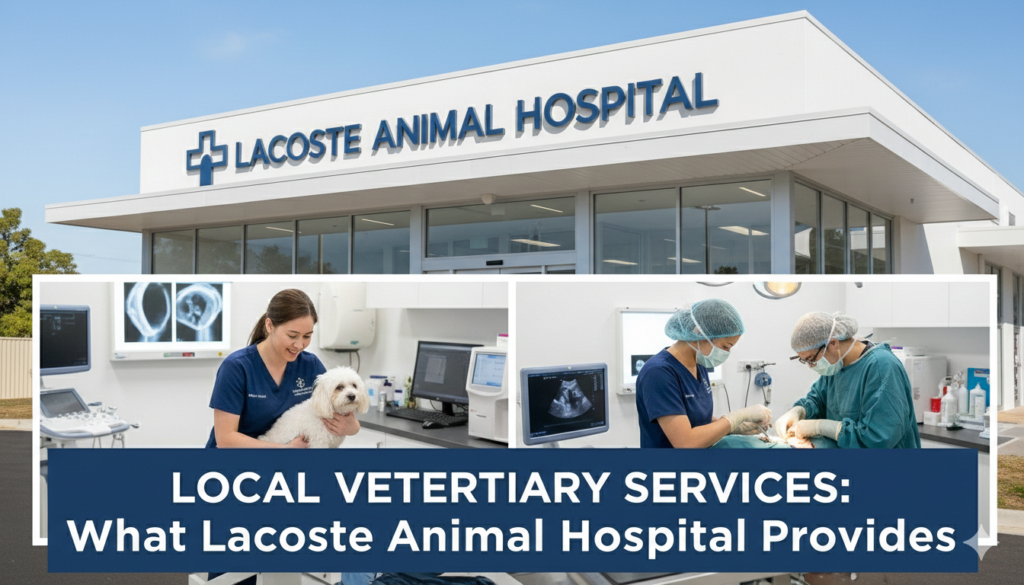
Finding the right veterinary care for your pet involves more than just proximity. When Sarah moved to Brampton last spring with her three cats and a rabbit, she spent weeks researching local options before settling on a veterinary partner. Her main concern wasn’t finding the closest clinic—it was finding one that could handle everything from routine wellness visits to unexpected emergencies, all under one roof. That search eventually led her to our doors at 50 Lacoste Blvd, and her experience mirrors what many pet owners discover when they start looking beyond basic veterinary services.
The landscape of veterinary medicine has evolved dramatically over the past decade. What once required visits to multiple specialists and facilities can now often be handled at comprehensive local clinics equipped with modern diagnostic tools, surgical capabilities, and teams trained to manage diverse medical needs. Understanding what services a veterinary hospital provides helps pet owners make informed decisions about where to entrust their animal’s care.
The Foundation: Wellness and Prevention
Every relationship between a veterinary hospital and a pet family begins with preventive care. This isn’t just about annual vaccinations, though those remain important. Modern wellness and preventive care encompasses comprehensive physical examinations, dental assessments, nutritional counseling, parasite prevention, and age-appropriate screening tests.
When Marcus brought his Golden Retriever puppy, Cooper, in for the first time, we spent nearly forty-five minutes discussing everything from socialization and training to nutrition and growth expectations. That initial wellness visit laid the groundwork for a relationship that’s now entering its third year. Cooper comes in every six months for check-ups, and those regular visits have allowed us to track his growth, adjust his diet as he matured, and catch a mild heart murmur early enough to monitor it closely.
Preventive care works best when it’s tailored to individual patients. A working dog has different needs than a lap cat. A young, healthy animal requires different screening than a senior pet with existing conditions. At Lacoste Animal Hospital, these aren’t cookie-cutter appointments—they’re opportunities to assess each patient holistically and provide guidance customized to their specific situation.
The value of prevention reveals itself most clearly when you see what it prevents. Last fall, during a routine wellness exam for a seemingly healthy eight-year-old cat named Whiskers, blood work revealed early kidney disease. Her owner hadn’t noticed any symptoms because there weren’t any yet. We caught the condition years before it would have become clinically apparent, allowing us to implement dietary changes and monitoring that have kept Whiskers stable and comfortable. Without that routine screening, she would have continued declining silently until the disease reached an advanced, difficult-to-manage stage.
Diagnostic Capabilities: Getting Answers Quickly
Preventive care catches many problems early, but when symptoms do appear, rapid diagnosis becomes crucial. This is where having comprehensive in-house diagnostics changes everything about the veterinary experience.
Consider what happened with Bruno, a middle-aged Boxer who came in on a Thursday afternoon because he’d been vomiting intermittently for two days. His owner was concerned but not panicked—after all, dogs occasionally eat things that don’t agree with them. A physical examination revealed dehydration and abdominal discomfort. Within an hour, we had run complete blood work, performed radiographs, and had a diagnosis: pancreatitis, a painful and potentially serious inflammatory condition of the pancreas.
The speed of that diagnosis mattered enormously. Bruno started treatment that same afternoon, including IV fluids, pain management, and appropriate medications. He went home two days later feeling much better. Without on-site diagnostics, his owner would have left with our best guess and instructions to monitor, then potentially returned days later when Bruno was sicker and the treatment more complicated.
Our diagnostic suite includes blood chemistry analyzers, complete blood count machines, urinalysis capabilities, and digital radiography. These tools don’t just speed up diagnosis—they improve accuracy. When we can see the complete picture quickly, we make better treatment decisions.
The in-house medical imaging capabilities deserve special mention. Digital radiography provides instant images of skeletal structures and internal organs. Ultrasound allows real-time visualization of soft tissues, making it invaluable for examining hearts, abdominal organs, and detecting fluid accumulations or masses. Having both technologies available means we can investigate a wide range of conditions without referring patients elsewhere for basic imaging.
Surgical Services: From Routine to Complex
Surgery represents one of the most significant services a veterinary facility can provide. The range of surgical procedures performed at Lacoste Animal Hospital spans from routine spay and neuter surgeries to more complex soft tissue and orthopedic procedures.
Our pet surgery suite maintains hospital-grade standards for cleanliness and equipment. Each surgical patient receives pre-anesthetic blood work to ensure safety, individualized anesthetic protocols based on their health status and procedure type, and careful monitoring throughout the procedure by trained veterinary technicians.
The decision to keep surgical capabilities in-house rather than referring all cases to specialty centers reflects our philosophy about comprehensive care. While we certainly refer complex cases requiring specialist expertise, many common surgical needs can be met right here in Brampton.
Take the case of Luna, a young cat who developed a bladder stone. Bladder stone surgery, while straightforward for experienced veterinary surgeons, still requires proper equipment, sterile technique, and post-operative care. Luna’s surgery happened on a Tuesday morning. Her owner dropped her off at 9 AM, we performed the procedure mid-morning, and Luna went home that same afternoon with pain medication and antibiotics. The stone went to our laboratory partners for analysis, which helped us develop dietary recommendations to prevent recurrence.
Or consider Max, an older dog who developed a large lipoma—a benign fatty tumor—on his side. While not dangerous, the tumor had grown large enough to interfere with his movement. Surgical removal took less than an hour, and Max recovered uneventfully. His owner appreciated not having to drive to a specialty center and manage referrals for what turned out to be a straightforward procedure.
Emergency surgeries present their own challenges and showcase why surgical capabilities need to be available during extended hours. When a dog comes in on a Saturday evening with a life-threatening condition requiring immediate surgery, having a fully equipped surgical suite and trained staff available can make the difference between life and death.
Emergency and Urgent Care: When Time Matters Most
The distinction between routine care and emergency services often becomes clear in retrospect. What starts as “my dog seems a bit off” can rapidly evolve into a critical situation requiring immediate intervention. Having emergency and urgent care capabilities available locally means pet owners don’t face the terrifying prospect of driving to distant emergency facilities while their pet deteriorates.
Our extended hours—open until 9 PM on Mondays, until 10 PM on Fridays, Saturdays, and Sundays—exist specifically to bridge the gap between daytime clinics and overnight emergency centers. Many urgent situations arise in the evening when traditional clinics have closed but before the middle-of-the-night hours that define true emergencies.
Last Saturday evening around 7 PM, a panicked owner called about her cat who had stopped breathing normally. The cat arrived within ten minutes, obviously in respiratory distress. Immediate examination, radiographs, and oxygen therapy revealed a condition called pleural effusion—fluid accumulating around the lungs. We drained the fluid, stabilized the patient, and began investigating the underlying cause. Without evening availability and on-site diagnostics, this cat would have faced a much more dire situation.
The types of urgent cases we see vary widely. Laceration repairs, toxin ingestions, sudden illnesses, trauma from accidents, and acute pain conditions all fall into the category of problems that need attention soon but might not require overnight emergency hospitalization. Being able to provide this intermediate level of urgent care fills a crucial gap in the veterinary care spectrum.
Specialized Needs: Exotic Pet Care
When people search for an “exotic vet near me,” they’re often frustrated by how few options exist. Most veterinary clinics focus exclusively on dogs and cats, leaving owners of rabbits, guinea pigs, birds, and reptiles with limited choices. The closest exotic specialist might be hours away, and getting appointments can take weeks.
At Lacoste Animal Hospital Brampton, we’ve made a conscious decision to expand our expertise beyond traditional companion animals. This doesn’t mean we’re exotic specialists in the technical sense, but it does mean we have experience with and interest in treating a wider variety of species than many clinics.
The needs of exotic pets differ dramatically from dogs and cats. A rabbit with dental disease requires specialized knowledge about continuously growing teeth. A bearded dragon with metabolic bone disease needs specific treatment protocols. Birds present unique challenges in anesthesia and handling. Guinea pigs can decline rapidly when sick, requiring prompt attention and specific care approaches.
Consider the case of Pepper, a pet rabbit who came in because his owner noticed he’d stopped eating his pellets. This might seem minor, but in rabbits, even brief periods without food can trigger serious digestive problems. Examination revealed overgrown molars causing painful sores in his mouth. Dental work under anesthesia addressed the immediate problem, and dietary guidance helped prevent recurrence.
Or there’s Spike, a bearded dragon whose owner noticed he was having trouble moving. Radiographs revealed weakened bones from metabolic bone disease, caused by nutritional imbalances common in captive reptiles. Treatment involved correcting his diet, adding appropriate supplements, and adjusting his lighting to provide proper UVB exposure.
These cases illustrate why having local access to veterinary care for exotic pets matters. Waiting weeks for specialist appointments or driving hours to reach exotic animal clinics creates unnecessary delays and stress for both pets and owners.
Laboratory Services: When We Need Specialist Analysis
While our in-house diagnostic capabilities handle the vast majority of testing needs, some situations require specialized laboratory analysis. This is where our relationship with reference laboratory testing services becomes valuable.
Certain tests simply aren’t practical to run in-house. Comprehensive thyroid panels, specific hormone assays, complex infectious disease titers, genetic testing, and advanced cancer markers all require specialized equipment and expertise found only at dedicated veterinary laboratories.
The process works seamlessly for pet owners. When we need specialized testing, we collect the appropriate samples, package them according to laboratory specifications, and ship them to our partner facilities. Results typically return within a few days, allowing us to complete diagnostic workups without significant delays.
This hybrid approach—handling routine diagnostics in-house while partnering with reference laboratories for specialized testing—provides the best of both worlds. Pet owners get the convenience and speed of on-site testing for common needs and access to cutting-edge diagnostic capabilities when unusual conditions arise.
End-of-Life Care: Compassion When It Matters Most
One of the most difficult services any veterinary clinic provides involves helping families say goodbye to beloved pets. The decision to pursue pet euthanasia ranks among the hardest choices pet owners face, and how veterinary teams handle these moments reflects their commitment to compassion and dignity.
Our approach to end-of-life care centers on supporting families through impossible decisions. When a pet’s quality of life has deteriorated beyond what treatment can restore, when pain cannot be adequately controlled, or when a pet is actively suffering, euthanasia becomes an act of mercy and love.
These appointments happen in our quietest exam rooms, with as much time as families need. We discuss the process clearly, answer questions, and allow family members to be present if they choose. The procedure itself is peaceful—most pets simply drift off as if falling asleep. We handle aftercare arrangements with respect, offering both cremation and burial options according to each family’s wishes.
The grief that follows losing a pet is real and profound. We understand this and provide resources for pet loss support. Many veterinarians and staff members have walked this path themselves, losing their own animal companions over the years. This shared experience informs how we support families during their most difficult moments.
What Makes Comprehensive Care Different
The thread connecting all these services is comprehensiveness. Instead of maintaining relationships with multiple facilities—one for routine care, another for diagnostics, a third for surgery, and yet another for emergencies—pet owners can develop a single, ongoing relationship with a veterinary team that knows their animals and can handle diverse medical needs.
This continuity of care provides tangible benefits. When the same veterinarians and staff see your pet regularly, they notice subtle changes that might escape notice during one-off visits. They understand your pet’s baseline behavior, normal examination findings, and medical history without constantly reviewing charts or relying on records from other facilities.
Consider how this played out for Bailey, a dog we’ve treated since puppyhood. Over five years, we’ve performed her routine wellness exams, treated occasional ear infections, managed a surgery for a torn cruciate ligament, and recently began monitoring early arthritis. That comprehensive history informs every decision we make about her care. We know which medications she tolerates well, how she responds to anesthesia, what concerns her owner particularly worries about, and how her mobility has changed over time. This familiarity translates directly into better, more personalized care.
Accessibility and Communication
Having comprehensive services available means little if pet owners can’t access them when needed. This is why our hours extend beyond the traditional nine-to-five schedule. Opening at 9 AM on Tuesdays and Thursdays, 10 AM on Mondays, and noon on Fridays through Sundays means we accommodate various schedules. Staying open until 9 PM on Mondays, 7 PM on Tuesdays and Thursdays, and 10 PM on Fridays through Sundays provides options for people who work during the day.
Location matters too. Our facility at 117, 50 Lacoste Blvd puts us in an accessible area of Brampton with adequate parking and easy access from major routes. When you’re dealing with a sick pet, the last thing you want is fighting traffic to reach a hard-to-find location.
Communication represents another crucial aspect of comprehensive care. When you call (905) 913-8888, you reach actual staff members who can answer questions, schedule appointments, and provide guidance. For non-urgent matters, emailing petcare@lacosteanimalhospital.ca offers another communication channel that many people prefer.
Common Questions About Our Services
-
Do you accept new patients?
Yes, we welcome new patients and their families. Initial appointments include comprehensive examinations and discussions about your pet’s health history, current needs, and future care plans.
-
What should I bring to my first appointment?
Bring any previous medical records, a list of current medications or supplements, and information about your pet’s diet and behavior. For new puppies or kittens, information about their parents’ health can be helpful if available.
-
How do you handle after-hours emergencies?
For true life-threatening emergencies occurring outside our operating hours, we recommend contacting the nearest 24-hour emergency facility. However, our extended evening hours mean we’re available much later than traditional clinics, covering many situations that arise after typical business hours.
-
Can you treat my exotic pet?
We have experience with rabbits, guinea pigs, hamsters, birds, and many reptile species. For highly specialized exotic cases, we can provide referrals to exotic specialists while continuing to serve as your pet’s primary veterinary home.
-
Do you offer payment plans?
We’re happy to discuss payment options and can provide estimates for procedures before they’re performed. Our focus remains on providing necessary care while working with families to make it financially manageable.
-
How often should my pet be seen?
This varies by age, species, and health status. Generally, healthy adult pets benefit from annual examinations, while senior pets or those with chronic conditions may need more frequent visits. We provide personalized recommendations based on each patient’s individual needs.
Why Local Comprehensive Care Matters
The veterinary landscape includes everything from basic clinics offering minimal services to specialty hospitals focusing on single areas of medicine. Comprehensive local facilities like Lacoste Animal Hospital occupy a crucial middle ground—providing advanced capabilities without the referral hassles and travel requirements of specialty centers, while offering far more services than basic clinics can provide.
For pet owners, this means fewer trips to multiple locations, less time coordinating care between different providers, and the comfort of ongoing relationships with veterinary teams who truly know their animals. It means when your dog needs dental work, you don’t need to find a veterinary dentist. When your cat requires ultrasound, you don’t need to schedule appointments at a distant imaging center. When your rabbit needs care, you don’t face a two-hour drive to an exotic specialist.
Building Partnerships in Pet Health
The relationship between a pet owner and their veterinary team should feel like a partnership. We provide medical expertise, diagnostic capabilities, and treatment options. Pet owners provide daily observation, behavioral insights, and knowledge of their individual animal that no amount of medical training can replace.
This partnership approach means listening to concerns, explaining medical reasoning behind recommendations, and respecting that pet owners make the ultimate decisions about their animals’ care. It means being available when questions arise and providing the information needed to make informed choices.
When Jennifer noticed her cat drinking more water than usual, she could have dismissed it as the weather getting warmer. Instead, she called and mentioned it to our staff. We suggested bringing the cat in for evaluation. Blood work revealed early diabetes, caught soon enough that dietary management and medication have kept it well-controlled for two years. That outcome happened because Jennifer felt comfortable raising concerns and trusted we’d take them seriously.
The Broader Picture
Comprehensive veterinary services extend beyond individual appointments and treatments. They encompass the entire experience of pet ownership—from selecting the right pet for your lifestyle, through the adventure of puppyhood or kittenhood, into the comfortable middle years, and eventually into the senior stage requiring different care approaches.
At each phase, needs change. Young animals need vaccinations, spay or neuter surgery, behavioral guidance, and nutritional advice for proper growth. Adult pets need preventive care, occasional sick visits, and perhaps management of minor chronic issues. Senior pets often require more frequent monitoring, treatment for conditions like arthritis or kidney disease, and eventually difficult conversations about quality of life.
Having a veterinary team familiar with your pet through all these phases means they understand the complete arc of that animal’s life. They remember the energetic puppy who’s now a dignified senior. They recall which medications worked or caused side effects years ago. They know what concerns have come up repeatedly and what interventions have proven successful.
Looking Forward
Veterinary medicine continues evolving, with new diagnostic tools, treatment options, and management approaches emerging regularly. Staying current with these advances while maintaining the compassionate, personalized care that defines good medicine requires ongoing commitment to education and improvement.
Our team participates in continuing education programs, studies new research, and evaluates emerging technologies to determine what would benefit our patients. This forward-looking approach ensures that the services we provide today represent current best practices in veterinary care.
Finding the Right Veterinary Partner
Choosing where to take your pet for care represents a significant decision. You’re not just selecting a service provider—you’re establishing a relationship that may span your pet’s entire lifetime. That relationship will guide decisions about prevention, diagnose and treat illnesses, perform surgeries, and eventually help you navigate the difficult process of saying goodbye.
The right choice depends on many factors—location, hours, services offered, communication style, and whether you feel heard and respected during interactions. Take time to meet teams, ask questions, and assess whether a facility can provide the comprehensive care your pet needs.
For many Brampton families, that search leads to Lacoste Animal Hospital. Our commitment to comprehensive, compassionate care delivered by skilled professionals using modern equipment represents what we believe veterinary medicine should be. We’re not just here for emergencies or sick visits—we’re here as partners in keeping your pet healthy, comfortable, and thriving throughout their life.
Whether you’re new to pet ownership or a lifelong animal person, whether you have a traditional dog or cat or an exotic companion, whether you need routine wellness care or urgent medical attention, comprehensive local veterinary services provide the foundation for excellent pet healthcare. That’s what we strive to deliver every day, to every patient, at every visit.