
In-House Diagnostics in Brampton
Accurate diagnostics are the foundation of effective veterinary treatment. At Lacoste Animal Hospital Brampton, our on-site diagnostic laboratory delivers same-day results for bloodwork, urinalysis, cytology, and fecal testing — giving our veterinarians the information they need to diagnose your pet’s condition and begin treatment during the same visit. Families searching for a pet diagnostic lab near me or a veterinary clinic in Brampton with in-house testing capabilities will find everything they need under one roof at our clinic.
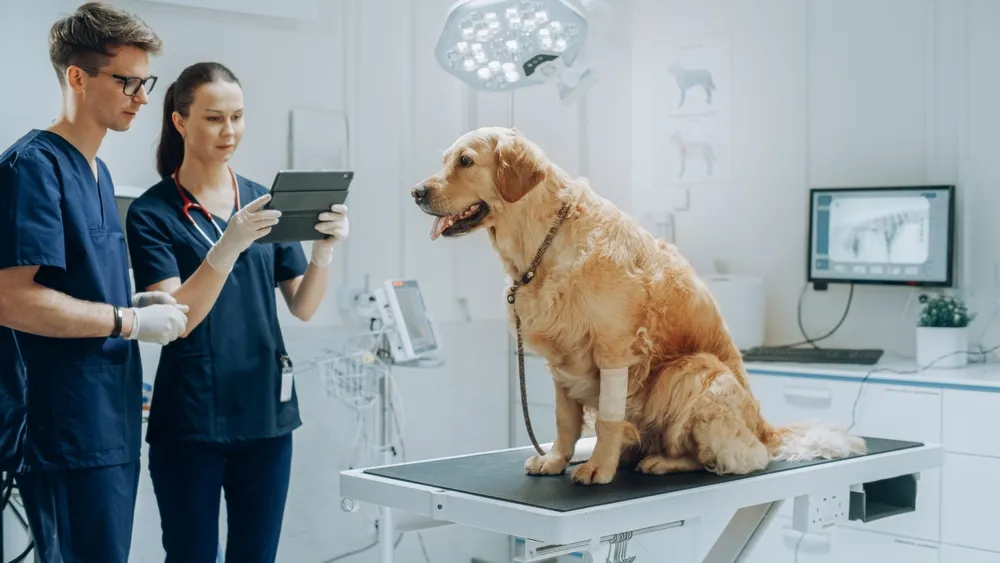
How In-House Diagnostics Work
When your pet is unwell or presenting unusual symptoms, waiting days for external lab results delays both diagnosis and relief. Our in-house laboratory eliminates that delay entirely. Samples are collected, processed, and analyzed on-site using advanced veterinary analyzers, and results are typically available within fifteen to thirty minutes for most routine panels.
Our veterinarians review results in real time, correlate findings with your pet’s physical examination, and discuss a clear treatment plan with you before you leave. This same-visit workflow reduces stress for your pet, removes the uncertainty of waiting, and allows treatment to start immediately when time-sensitive conditions are identified.
Diagnostic Tests Available On-Site
Blood Chemistry Panels
Blood chemistry testing evaluates organ function across the liver, kidneys, pancreas, and other vital systems. These panels measure enzymes, proteins, glucose, electrolytes, and other markers that reveal how well your pet’s internal organs are performing. Chemistry panels are essential for diagnosing metabolic disorders, monitoring chronic diseases, and establishing pre-surgical health baselines.
Complete Blood Count
A complete blood count measures red blood cells, white blood cells, and platelets. Abnormalities in these values can indicate infection, inflammation, anemia, clotting disorders, immune system problems, and certain types of cancer. CBC results combined with chemistry findings give our veterinarians a detailed systemic overview of your pet’s health status.
Urinalysis and Fecal Testing
Urinalysis evaluates kidney function, hydration status, urinary tract infections, and the presence of crystals or abnormal cells. Fecal testing screens for intestinal parasites including roundworms, hookworms, whipworms, giardia, and coccidia. Both tests are routine components of wellness screenings and are critical for pets presenting with gastrointestinal or urinary symptoms.
Cytology and Microscopic Evaluation
Our veterinarians perform on-site cytology to examine skin lesions, ear discharge, lumps, and fluid samples under the microscope. This allows rapid identification of bacterial and yeast infections, inflammatory conditions, and abnormal cell populations. Cytology results often guide immediate treatment decisions for ear infections, skin conditions, and suspicious masses.
Why In-House Testing Matters
Speed directly impacts patient outcomes in veterinary medicine. A pet presenting with vomiting, lethargy, or sudden collapse needs answers quickly — not in two to three business days. Our in-house laboratory provides those answers within minutes, which is particularly critical during emergency and urgent care situations where early intervention can be life-saving.
In-house testing also reduces the total number of visits your pet requires. Rather than scheduling a follow-up appointment to review external results, our team can discuss findings, answer questions, and initiate treatment all within a single visit. This is less stressful for anxious patients and more convenient for busy families looking for a vet near me who can provide complete answers without multiple trips.
When Diagnostic Testing Is Recommended
Our veterinarians may recommend in-house diagnostics during routine wellness examinations as part of annual or biannual health screenings, when your pet shows symptoms such as vomiting, diarrhea, lethargy, appetite changes, increased thirst, or unexplained weight loss, before any surgical procedure to confirm your pet is a safe anesthesia candidate, to monitor ongoing conditions like diabetes, kidney disease, thyroid disorders, or liver dysfunction, and as part of senior wellness programs where early detection of age-related changes is essential.
If a condition requires testing beyond our in-house capabilities — such as specialized hormone panels, histopathology, or advanced culture sensitivities — we partner with leading veterinary reference laboratories to ensure no diagnostic question goes unanswered.
What to Expect During a Diagnostic Visit
Sample collection is performed with minimal stress using gentle handling techniques. Blood draws take only seconds with experienced technicians, and urine and fecal samples are processed immediately. While results are being analyzed, your pet rests comfortably in our care.
Once results are available, your veterinarian reviews every finding with you in clear, straightforward language. We explain what each value means, whether any results fall outside normal ranges, and what the recommended next steps are. You leave with a complete understanding of your pet’s health status and a written summary for your records.
Aftercare and Follow-Up
Depending on results, our team may recommend follow-up testing at specific intervals to monitor treatment response or track chronic conditions. Recheck bloodwork is commonly scheduled two to four weeks after starting new medications, and ongoing monitoring panels are tailored to each patient’s diagnosis and treatment plan. Our veterinarians remain accessible between visits to answer questions or adjust protocols as your pet’s needs evolve.
For complex or unclear cases, our veterinarians may combine in-house findings with advanced imaging or specialized reference laboratory panels to build the most complete diagnostic picture. This integrated approach means your pet benefits from multiple diagnostic modalities working together — all coordinated under one roof without referrals to outside facilities.
Frequently Asked Questions
How long does it take to receive in-house diagnostic results for my pet?
Most routine tests — including blood chemistry panels, complete blood counts, and urinalysis — are processed on-site and ready within fifteen to thirty minutes. This rapid turnaround allows our veterinarians to review findings, discuss results, and begin treatment during the same appointment rather than scheduling a separate follow-up visit days later.
Does my pet need to fast before blood work at your clinic?
For routine wellness bloodwork and chemistry panels, we generally recommend withholding food for eight to twelve hours before the appointment while allowing free access to water. Fasting ensures accurate glucose and lipid readings. Our veterinary team will provide specific preparation instructions when you schedule your pet’s diagnostic appointment.
What conditions can in-house diagnostics detect in dogs and cats?
On-site testing identifies a wide range of conditions including kidney and liver disease, diabetes, thyroid imbalances, urinary tract infections, anemia, dehydration, pancreatitis, intestinal parasites, and systemic infections. When combined with digital imaging, our diagnostic capabilities provide a comprehensive picture that supports accurate diagnosis and targeted treatment planning.
Are diagnostic tests performed before pet surgery at your clinic?
Yes. Pre-surgical blood panels are standard protocol before any procedure requiring anesthesia. These tests confirm that your pet’s organ function and clotting ability are within safe ranges, allowing our surgical team to customize anesthesia protocols and minimize risk. Pre-surgical screening is one of the most important safety measures we take for every patient.
Can your diagnostics lab handle urgent or after-hours testing?
Our in-house laboratory operates during all clinic hours, including evenings and weekends, so urgent diagnostic testing is available whenever our doors are open. For conditions requiring specialized panels beyond our on-site capabilities, we expedite submissions to our reference laboratory partners for priority processing.
How do I book a diagnostic appointment for my pet?
You can schedule a visit by calling our clinic or using the online booking form. If your pet is showing symptoms that concern you, let our team know when booking so we can prepare the appropriate diagnostic protocols in advance and minimize wait time on the day of your appointment.