
Reference Laboratory Testing in Brampton
Some diagnostic questions require testing that goes beyond what any in-clinic laboratory can provide. Lacoste Animal Hospital Brampton partners with three of the veterinary industry’s leading reference laboratories — IDEXX, Antech, and VARL — to deliver specialized testing with gold-standard accuracy and rapid turnaround. Pet owners looking for comprehensive veterinary laboratory services near me or a Brampton veterinary clinic with advanced diagnostic partnerships will find the depth of testing they need right here.
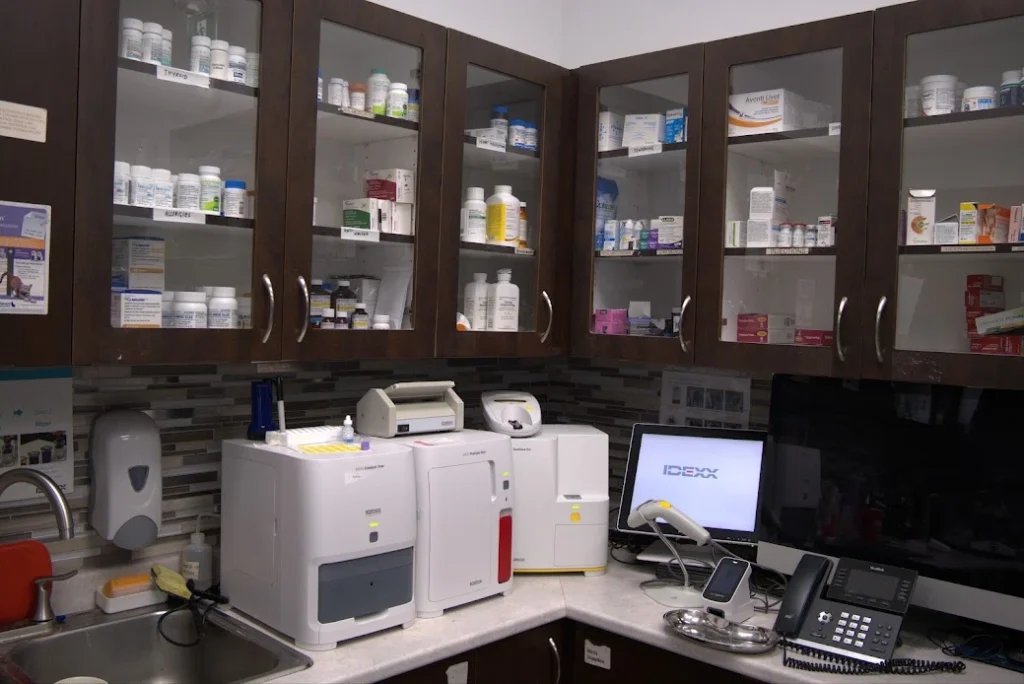
What Reference Laboratory Testing Provides
While our in-house diagnostic lab handles routine bloodwork, urinalysis, and cytology with same-day results, certain conditions require specialized analysis that is performed at dedicated veterinary reference facilities. Reference laboratories maintain the advanced instrumentation, certified technicians, and quality-control protocols necessary for highly specialized panels.
These external tests complement our on-site capabilities rather than replacing them. In many cases, our veterinarians begin with in-house testing to obtain immediate answers and then submit additional samples to a reference laboratory for confirmatory or specialized analysis.
Types of Reference Laboratory Tests
Blood Chemistry and Advanced Panels
Reference laboratories run expanded blood chemistry profiles that evaluate organ function in greater detail than standard in-house panels. These include comprehensive metabolic panels, liver function panels with bile acid testing, pancreatic-specific lipase assays, and advanced kidney markers such as SDMA that detect renal decline earlier than traditional creatinine testing alone.
Endocrine and Hormone Testing
Hormonal imbalances are among the most common chronic conditions in aging dogs and cats. Reference laboratories perform thyroid panels (T4, free T4, TSH), cortisol testing for Cushing’s and Addison’s disease, insulin assays for diabetic patients, and reproductive hormone evaluations. Precise hormone quantification guides medication dosing and long-term management for these conditions.
Infectious Disease and Tick-Borne Illness Panels
Ontario pets face exposure to tick-borne diseases including Lyme disease, anaplasmosis, and ehrlichiosis. Reference laboratories offer comprehensive tick panels, fungal culture and sensitivity testing, feline infectious disease screening (FIV/FeLV confirmation), leptospirosis titers, and other pathogen-specific assays that confirm diagnoses when in-house snap tests yield borderline or unexpected results.
Histopathology and Biopsy Analysis
When our veterinarians remove a mass, collect a tissue biopsy, or perform a surgical excision, tissue samples are submitted to reference laboratory pathologists for microscopic evaluation. Histopathology determines whether a mass is benign or malignant, identifies the specific tumor type, and assesses whether surgical margins are clean — information that directly shapes follow-up treatment recommendations.
Therapeutic Drug Monitoring and Toxicology
Pets on long-term medications such as phenobarbital, potassium bromide, or cyclosporine require periodic blood level monitoring to confirm therapeutic dosing and prevent toxicity. Reference laboratories quantify exact drug concentrations so our veterinarians can fine-tune dosages for each patient.
Why Our Laboratory Partnerships Matter
The accuracy and reliability of diagnostic results depend directly on the quality of the laboratory performing the analysis. IDEXX, Antech, and VARL are recognized leaders in veterinary diagnostics with rigorous quality assurance programs, board-certified clinical pathologists, and validated testing methodologies. Our partnerships with these providers ensure that every result we receive meets the highest standard of diagnostic confidence.
Results from reference laboratories typically arrive within twenty-four to forty-eight hours for routine panels, with some specialized tests requiring additional processing time. Our team contacts you promptly once results are available and schedules a follow-up discussion — either in person or by phone — to review findings and outline the recommended care plan.
When Reference Laboratory Testing Is Recommended
Our veterinarians recommend reference laboratory testing in several common scenarios. Wellness screenings for senior pets often include expanded panels that assess endocrine function and early organ decline beyond what standard in-house testing covers. Patients with unexplained symptoms that do not resolve with initial treatment benefit from deeper investigation through specialized panels. Pets diagnosed with chronic conditions such as diabetes, thyroid disease, or Cushing’s syndrome require periodic monitoring to evaluate treatment effectiveness. Pre-surgical patients may need coagulation profiles or specialized organ function assessments depending on the procedure and the patient’s medical history. Suspicious masses removed during surgery require histopathological analysis to guide decisions about further treatment.
What to Expect
Sample collection is performed at our clinic during a scheduled or same-day appointment. Blood, urine, tissue, or fluid samples are prepared according to each reference laboratory’s specific handling requirements and submitted via priority courier for processing. Our team tracks every submission and follows up on results as soon as they are available.
Once results are returned, your veterinarian reviews the complete report, explains each finding in plain language, and discusses recommended next steps. All reference laboratory results are permanently stored in your pet’s digital medical record alongside in-house diagnostics, imaging, and clinical notes for a complete health history.
Aftercare and Ongoing Monitoring
Many conditions identified through reference laboratory testing require long-term management with periodic retesting. Thyroid disease, diabetes, Cushing’s syndrome, and kidney disease all benefit from regular monitoring panels that track how well treatment is working and whether medication adjustments are needed. Our veterinarians build retesting schedules into your pet’s ongoing care plan so nothing falls through the cracks, and follow-up samples can be collected during routine wellness visits to minimize extra appointments. For Brampton families seeking a veterinary clinic near me with access to advanced laboratory partnerships, our integrated approach ensures your pet receives both the convenience of local care and the precision of specialist-level diagnostics.
Frequently Asked Questions
How long does it take to receive results from reference laboratory testing?
Most routine reference panels — including blood chemistry, thyroid, and infectious disease testing — are processed and returned within twenty-four to forty-eight hours. Histopathology and specialized culture sensitivity tests may require five to seven business days. Our veterinary team contacts you as soon as results are available to discuss findings and next steps.
What is the difference between in-house diagnostics and reference laboratory testing?
In-house testing provides rapid same-day results for common panels like CBC, chemistry, and urinalysis. Reference laboratory testing covers specialized analyses — including hormone panels, histopathology, advanced infectious disease screening, and drug level monitoring — that require dedicated instrumentation. Both work together to give our veterinarians the most complete diagnostic picture available.
Does my pet need a separate appointment for reference lab sample collection?
Sample collection can be performed during any scheduled visit — whether that is a wellness exam, a follow-up appointment, or a diagnostic consultation. Our veterinarians often combine in-house and reference testing during the same appointment so your pet only needs one blood draw rather than multiple visits for different tests.
Which reference laboratories does your Brampton veterinary clinic use?
We partner with IDEXX, Antech, and VARL — three of the most trusted names in veterinary diagnostics. Each laboratory maintains board-certified clinical pathologists and rigorous quality assurance protocols. Our veterinarians select the most appropriate laboratory for each test based on panel availability, turnaround time, and the specific diagnostic question being investigated.
Can reference labs help diagnose chronic conditions in older pets?
Absolutely. Expanded panels through our reference partners detect early-stage kidney disease, thyroid imbalances, adrenal dysfunction, and other age-related conditions that standard in-house screening may not yet reveal. Early identification allows our team to begin treatment sooner, which often improves long-term outcomes. If findings suggest a condition requiring intervention, our surgical and medical teams coordinate a comprehensive care plan.
How do I request reference laboratory testing for my pet?
Contact our clinic to schedule an appointment or discuss testing options with our veterinary team. If your pet has an upcoming wellness exam or follow-up visit, reference testing can often be added to the same appointment. Our team will advise on any preparation requirements such as fasting or medication timing before sample collection.