
Knowing your pet needs surgery is stressful for any family. At Lacoste Animal Hospital Brampton, our veterinary surgical team combines experienced hands, modern anesthesia protocols, and continuous patient monitoring to deliver the safest outcomes possible — whether your pet requires a routine spay or neuter, a complex soft tissue procedure, or an urgent surgical intervention. Families searching for pet surgery near me or a veterinary surgeon in Brampton they can trust will find a fully equipped surgical suite and a compassionate team dedicated to your pet’s comfort at every stage.
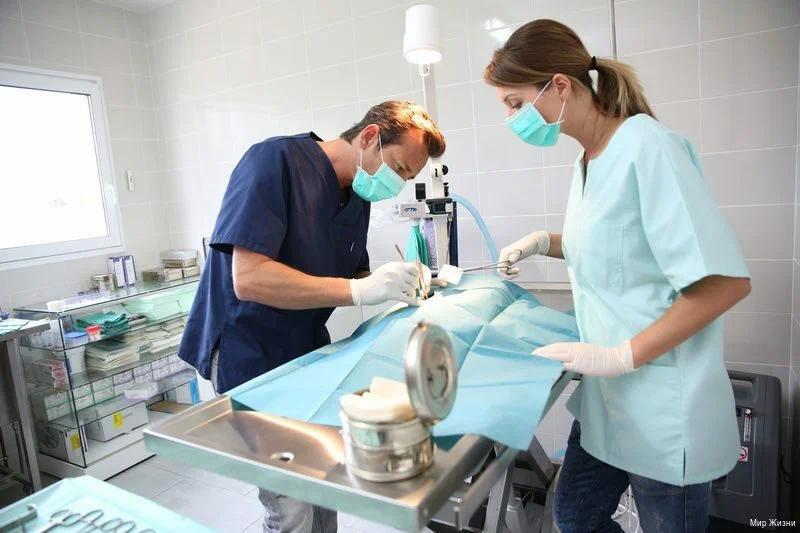
Our clinic handles a broad range of surgical procedures for dogs, cats, and companion animals. Each case is evaluated individually, and our veterinarians discuss the procedure, risks, expected recovery, and aftercare in full detail before any surgery is scheduled.
Spaying and neutering are among the most commonly performed veterinary surgeries. Beyond preventing unwanted litters, these procedures reduce the risk of reproductive cancers, pyometra, prostate disease, and certain behavioural issues. We recommend discussing optimal timing during your pet’s wellness visits so the procedure aligns with their developmental stage and breed-specific considerations.
Soft tissue procedures address conditions involving internal organs, skin, and body wall structures. Common soft tissue surgeries performed at our clinic include bladder stone removal (cystotomy), gastrointestinal foreign body extraction, wound repair and laceration closure, abscess drainage and treatment, eye and eyelid procedures, and exploratory abdominal surgery for undiagnosed conditions.
Skin lumps and subcutaneous masses are common in dogs and cats, particularly as they age. Our veterinarians evaluate each mass through physical examination and diagnostic cytology to determine whether surgical removal is warranted. Excised tissue is submitted for histopathology analysis to confirm whether the mass is benign or malignant and whether surgical margins are adequate.
Traumatic injuries, internal bleeding, gastrointestinal obstructions, and other acute conditions sometimes require immediate surgical intervention. Our surgical suite is equipped and staffed to handle urgent cases during all operating hours so critical patients receive timely care without referral delays.
Patient safety is our highest priority before, during, and after every procedure. Our pre-surgical protocol includes a thorough physical examination on the day of surgery, pre-anesthetic bloodwork to assess organ function, clotting ability, and anesthesia safety, customized anesthesia plans based on your pet’s age, breed, weight, and health status, and intravenous catheter placement for fluid support and emergency medication access.
These steps ensure that each patient enters the operating room in the safest possible condition and that our team is fully prepared for every scenario.
Throughout every procedure, a dedicated team member continuously monitors your pet’s vital signs including heart rate, blood oxygen saturation, blood pressure, respiratory rate, body temperature, and electrocardiogram readings. Our monitoring equipment alerts the surgical team immediately if any parameter shifts outside normal ranges, allowing instant corrective action.
We use modern inhalant anesthesia with precise dosing control, multimodal pain management protocols to minimize discomfort during and after the procedure, and warming systems to maintain stable body temperature throughout surgery. This comprehensive approach to anesthesia and monitoring reflects current best practices in veterinary surgical care.
Recovery begins as soon as the procedure is complete. Your pet is moved to a quiet, monitored recovery area where our team observes their anesthesia recovery, manages pain, and ensures stable vital signs before discharge.
Before you take your pet home, our team provides detailed written discharge instructions covering medication administration and pain management schedules, incision site care and what to watch for, activity restrictions and recommended rest periods, feeding and hydration guidelines for the first twenty-four to forty-eight hours, and scheduled follow-up appointment timing for suture removal or recheck.
We encourage you to contact our clinic at any time during your pet’s recovery if you notice anything concerning. Our team is available during all operating hours to answer post-surgical questions and provide guidance.
Our veterinarians recommend surgical intervention when a condition cannot be effectively managed through medication or conservative treatment alone. Common scenarios include reproductive surgery for young healthy pets, removal of masses or growths identified during examination, foreign object ingestion confirmed through medical imaging, bladder stones causing pain or urinary obstruction, wounds or injuries requiring surgical repair, and exploratory surgery when diagnostic testing indicates an internal condition that needs direct visualization and intervention.
In every case, our team explains why surgery is recommended, what the procedure involves, and what alternative options may exist — so you can make a fully informed decision about your pet’s care.
Most surgical patients return for a recheck examination within ten to fourteen days for incision assessment and suture or staple removal. Depending on the procedure, additional follow-up visits may be scheduled to evaluate healing progress, adjust pain management, or review histopathology results from submitted tissue samples. Our veterinarians tailor recovery timelines to each patient — a straightforward neuter may require only one follow-up, while a complex soft tissue repair may involve several rechecks over the following weeks to confirm full recovery.
Our surgical services include spay and neuter operations, soft tissue procedures such as bladder stone removal and foreign body extraction, lump and mass excisions, wound repair, abscess drainage, and emergency surgical interventions. Each procedure follows strict anesthesia safety protocols with continuous vital sign monitoring throughout surgery and attentive recovery observation afterward.
Your veterinarian will provide specific pre-surgical instructions during the consultation appointment. Generally, pets should fast for eight to twelve hours before surgery while maintaining water access. Pre-anesthetic bloodwork is performed to confirm surgical safety. Our experienced team reviews your pet’s complete medical history to customize the anesthesia plan for their individual needs.
Modern veterinary anesthesia is remarkably safe when properly managed. Our team selects anesthesia protocols specifically matched to each patient’s age, breed, weight, and health status. Continuous monitoring of heart rate, blood pressure, oxygen levels, and temperature throughout the procedure further minimizes risk. Pre-surgical diagnostics identify any concerns that require protocol adjustments before your pet enters surgery.
Recovery typically includes pain medication for several days, limited activity and rest, incision site monitoring, and a scheduled recheck appointment within ten to fourteen days. Most pets resume normal activity within one to two weeks depending on the procedure. Our team provides detailed written instructions and remains available during clinic hours to address any concerns during your pet’s healing process.
Yes. Our surgical suite is equipped for urgent interventions including foreign body removal, trauma repair, and internal stabilization procedures. When diagnostic imaging and bloodwork confirm that a patient requires immediate surgery, our team can proceed without referral delays — which is critical for time-sensitive conditions where every hour matters.
Contact our clinic by phone or online booking to arrange a pre-surgical consultation. During this visit, our veterinarian examines your pet, discusses the recommended procedure, explains risks and recovery expectations, and answers all of your questions. Surgery is then scheduled at a date and time that works for your family.