
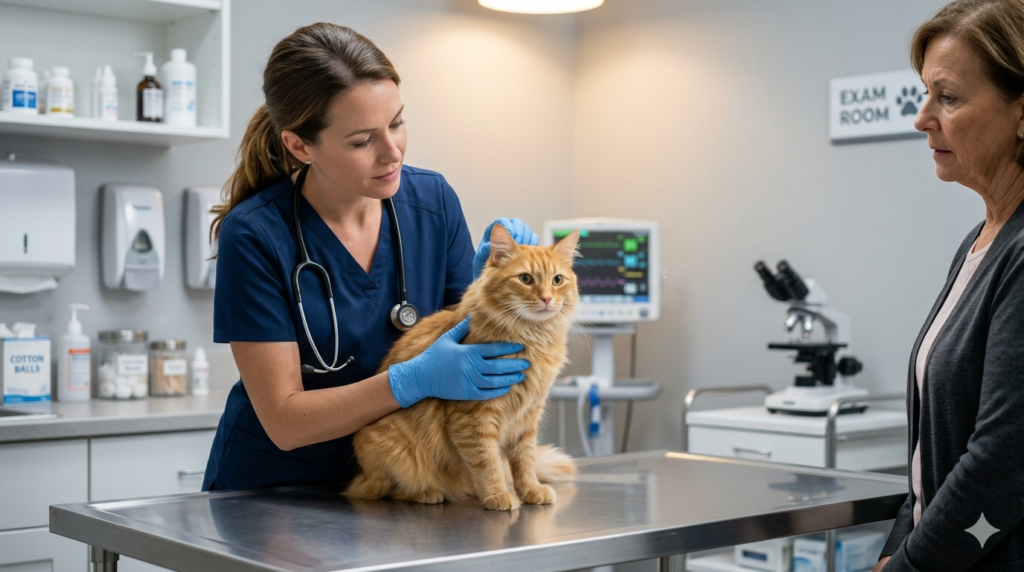
There is a version of preventive care for pets that most people picture — a quick annual visit, a couple of vaccinations, and a pat on the head on the way out the door. And then there is what preventive medical care actually looks like when it is done properly. The gap between those two things is where serious health problems go undetected, where early warning signs get missed, and where treatable conditions quietly progress into something much harder to manage. At Lacoste Animal Hospital Brampton, our veterinary team sees that gap close every single day, and the difference it makes in an animal’s quality of life is not subtle. It is often the difference between a straightforward intervention and a medical crisis.
This is not a blog post about convincing you that vet visits are important. You already know that. What most pet owners lack is a clear understanding of what actually happens during a thorough preventive visit, why each component matters, and how the information gathered during those appointments connects to the bigger picture of your pet’s long-term health. Once you understand the mechanics behind prevention in health care for animals, the whole concept stops feeling like an obligation and starts making sense as a strategy.
The Anatomy of a Real Wellness Exam
A proper pet wellness exam is not a five-minute formality. At a clinic that treats it seriously, the physical examination alone covers more than a dozen body systems, and the veterinarian is looking for subtle deviations that most pet owners would never notice at home.
It starts with observation before anyone touches the animal. The veterinarian watches how your pet moves, stands, and breathes. A slight head tilt, a reluctance to sit squarely, a pattern of shifting weight off one leg — these visual cues can point toward neurological issues, joint degeneration, or early-stage pain that your pet has learned to mask. Animals are hardwired to hide discomfort. That survival instinct means that by the time a problem becomes obvious to an owner, it has usually been developing for weeks or months.
The hands-on portion covers the eyes, ears, oral cavity and teeth, lymph nodes, heart and lung sounds through auscultation, abdominal palpation, skin and coat condition, musculoskeletal assessment, and body condition scoring. Each of these checkpoints generates data. A heart murmur that was not present six months ago tells one story. A subtle abdominal mass that the veterinarian can feel but that your cat shows no outward signs of tells another. A receding gum line with early tartar accumulation tells a third story — one that, left unaddressed, leads to periodontal disease, bacterial infections, and documented organ damage over time.
This is wellness and preventive care as it should be practised — systematic, thorough, and attentive to the details that distinguish “fine for now” from “healthy for the long haul.”
Beyond the Physical: Why Screening Matters
If the physical exam is the foundation of preventive care, diagnostic screening is the infrastructure that holds it up. And this is where many pet owners — through no fault of their own — have an incomplete picture of what preventive medical care involves.
Bloodwork is not something your veterinarian recommends because it is a standard protocol box to check. A complete blood count and serum biochemistry panel reveals information that no physical exam can access. Kidney values, liver enzymes, blood glucose, white blood cell counts, red blood cell morphology — these markers paint a detailed picture of what is happening inside your pet’s body right now and, critically, how those values are trending compared to previous results.
This is where reference laboratory testing becomes genuinely valuable. The real power of bloodwork is not in a single set of numbers. It is in the comparison. A creatinine level of 180 means something very different depending on whether it was 120 six months ago or 175. One trajectory suggests early kidney compromise that can be managed with dietary changes and monitoring. The other suggests stability. Without baseline data from regular screening, your veterinarian is interpreting numbers in isolation, which makes early detection far more difficult.
Fecal analysis is another component that gets overlooked. Intestinal parasites — roundworm, hookworm, whipworm, Giardia — often produce no visible symptoms until the infection is well established. A routine fecal screen catches these organisms before they cause weight loss, chronic diarrhea, or nutritional deficiency. For households with young children, this screening also carries a zoonotic dimension, since several common pet parasites can be transmitted to humans through environmental contamination.
Urinalysis rounds out the core screening panel. Specific gravity, protein levels, and the presence of crystals or bacteria in urine samples provide early indicators of kidney disease, diabetes, bladder infections, and urinary tract conditions — many of which develop gradually and do not produce symptoms until significant damage has already occurred.
Case Study — Milo, a 9-Year-Old Beagle
Milo came in for what his owner described as a “routine checkup — nothing wrong, just overdue.” The physical exam was unremarkable. Milo was bright, alert, eating well, and showed no signs of discomfort. His owner almost declined the recommended bloodwork, figuring it was unnecessary since the dog seemed perfectly healthy. The results told a different story. Milo’s alkaline phosphatase and ALT — both liver enzymes — had risen significantly compared to his panel from the previous year. Additional diagnostics, including an abdominal ultrasound through in-house medical imaging, revealed a small hepatic mass. Because it was caught early — before it had grown or spread — Milo was a good candidate for surgical removal through the clinic’s surgical services team. He recovered well and is currently on a monitoring protocol. His owner has since become the loudest advocate for annual bloodwork among her friend group.
The takeaway is straightforward: animals do not announce their illnesses. Screening finds what eyes and hands cannot.
Vaccination and Parasite Prevention: The Predictable Pillars
Vaccinations and parasite prevention are probably the most familiar components of preventive care, and yet they are also the areas where misinformation leads to the most avoidable mistakes.
Core vaccines for dogs in Ontario — distemper, parvovirus, adenovirus, and rabies — are not optional recommendations. They protect against diseases that are either fatal, endemic in the regional wildlife population, or both. Parvovirus in particular remains a threat in the Peel Region, and unvaccinated puppies exposed at dog parks, boarding facilities, or even contaminated sidewalks face a survival rate that drops dramatically once symptoms appear. For cats, the core panel covers panleukopenia, calicivirus, herpesvirus, and rabies.
What gets less attention is the concept of risk-based or lifestyle vaccinations. A dog that frequents boarding facilities or daycares may benefit from Bordetella and canine influenza vaccines. A cat that goes outdoors needs feline leukemia protection. These decisions are not one-size-fits-all, and a thorough preventive visit includes a lifestyle assessment conversation where your veterinarian evaluates your pet’s actual exposure risks rather than applying a blanket protocol.
Parasite prevention follows the same individualized logic. Heartworm, fleas, ticks, and intestinal parasites all operate on seasonal and environmental patterns that have shifted considerably in southern Ontario over the past decade. Milder winters and longer warm seasons have extended the active window for these organisms, which is why year-round prevention has become the standard recommendation rather than a seasonal one. For a detailed breakdown of when specific parasites pose the greatest threat in this area, the seasonal parasite forecast covers that month by month.
Dental Health: The Most Underestimated Dimension
If there is one area of preventive care that gets consistently undervalued, it is dental health. Most pet owners do not think about their dog’s or cat’s teeth until they notice bad breath, and by that point, the disease process is usually well advanced.
Periodontal disease affects the majority of dogs and cats over the age of three. It starts with plaque accumulation, progresses to tartar, and eventually leads to gum inflammation, tissue destruction, bone loss, and tooth root infections. The bacteria involved do not stay in the mouth. Research across both veterinary and human medicine has established links between chronic periodontal disease and damage to the heart, liver, and kidneys — organs that are constantly filtering bacteria-laden blood from infected oral tissues.
Case Study — Nala, a 6-Year-Old Domestic Shorthair Cat
Nala’s owner brought her in for a wellness exam and mentioned offhandedly that the cat’s breath had been “a bit strong lately.” Oral examination revealed Stage 2 periodontal disease with inflamed gingiva and visible tartar on the premolars. More concerning were two resorptive lesions on the lower molars — a condition common in cats where the tooth structure erodes below the gum line, causing significant pain that cats almost never show outwardly. Nala was eating normally, playing normally, and showing no behavioral changes. Without the preventive exam, those lesions would have continued to worsen until the teeth fractured or became abscessed. She was scheduled for a dental procedure that included extraction of the affected teeth, full-mouth radiographs, and a thorough cleaning. Her owner reported that within a week of recovery, Nala was more active and vocal than she had been in months — subtle changes that, in hindsight, had been gradual signs of chronic discomfort.
Dental assessment during every preventive visit is not an upsell. It is a diagnostic necessity.
The Senior Pet Conversation
Preventive care evolves as your pet ages, and the transition into senior status — generally around age seven for most dog breeds, slightly later for cats — is where the approach needs to shift meaningfully.
Senior pets benefit from more frequent wellness exams, typically every six months rather than annually. Their bloodwork panels may expand to include thyroid screening, more detailed kidney markers, or cardiac biomarkers depending on breed predispositions. Joint health becomes a more prominent focus, with body condition scoring and mobility assessment guiding decisions about pain management, weight optimization, and exercise modification.
What makes this stage of life tricky is that the changes are often gradual enough for owners to attribute them to “just getting old.” A dog that sleeps more, plays less, or takes longer to get up from rest might be experiencing early arthritis, hypothyroidism, or organ decline — all of which are manageable when caught early but progressively harder to address the longer they go unrecognized. A veterinarian who knows your pet’s history and has baseline data from years of preventive visits is in a far better position to distinguish normal ageing from pathology than one seeing the animal for the first time.
This is the real benefit of prevention in health care for companion animals — it builds a longitudinal record that makes every future decision more informed, more precise, and more likely to produce good outcomes. Understanding why Lacoste is Brampton’s trusted clinic for preventive care comes down to this consistency: the same team, the same records, the same commitment to catching problems before they escalate.
Preventive Care Is Not One Appointment — It Is a System
The mistake most people make is thinking about preventive care as an event. A single visit. A thing you do once a year and then forget about. In practice, a complete care approach for pets is a system — a connected series of assessments, screenings, interventions, and adjustments that track your pet’s health across their entire lifespan.
That system includes vaccination protocols tailored to your pet’s lifestyle, parasite prevention calibrated to regional and seasonal risks, dental monitoring at every visit, nutrition and weight management conversations, screening bloodwork with year-over-year trend analysis, and age-appropriate modifications as your pet transitions through life stages. Every component feeds into the others. A dental exam might reveal information that changes a surgical recommendation. A blood panel might prompt a dietary adjustment. A mobility assessment might lead to imaging that catches a problem months before symptoms appear.
The benefits of health and wellness for your pet are not abstract. They are measurable in fewer emergency visits, earlier treatment windows, lower treatment complexity, better recovery outcomes, and — ultimately — more comfortable years of life.
Frequently Asked Questions
-
What does a preventive wellness exam include for dogs and cats?
A comprehensive pet wellness exam at a Brampton animal hospital includes a full physical evaluation covering eyes, ears, oral cavity, heart and lung auscultation, abdominal palpation, lymph node assessment, musculoskeletal check, skin and coat evaluation, and body condition scoring. Depending on your pet’s age and risk factors, the veterinarian may also recommend bloodwork, fecal screening, urinalysis, and a dental assessment as part of the standard preventative health services protocol.
-
How often should my pet have a wellness exam?
Most adult dogs and cats in good health should have a wellness exam at least once per year. Senior pets — generally those over seven years of age — benefit from examinations every six months because age-related conditions like kidney disease, arthritis, and thyroid disorders develop gradually and respond best to early intervention. Puppies and kittens require more frequent visits during their first year to complete their vaccination series and monitor developmental milestones.
-
Why does my vet recommend bloodwork when my pet seems healthy?
Bloodwork detects internal changes that no physical exam can reveal. Organ function markers for the liver, kidneys, and pancreas, along with blood cell counts and glucose levels, can identify disease processes weeks or months before outward symptoms appear. Annual blood panels also create a baseline record that allows your veterinarian to track trends over time, making early detection of conditions like diabetes, chronic kidney disease, and liver dysfunction significantly more reliable.
-
Is dental care really part of preventive medical care for pets?
Dental care is one of the most critical components of animal health services. Periodontal disease affects the majority of dogs and cats over age three and has been linked to bacterial spread affecting the heart, liver, and kidneys. A thorough oral assessment during each wellness visit identifies tartar buildup, gum inflammation, and lesions before they progress to painful infections or tooth loss. Professional dental cleanings with full-mouth radiographs are the standard for maintaining oral health.
-
What preventive care does a senior pet need that a younger pet does not?
Senior pets require expanded screening that may include thyroid panels, advanced kidney markers, cardiac evaluation, and joint mobility assessments in addition to standard bloodwork and physical examinations. Their vaccination protocols may be adjusted based on immune status and lifestyle changes. Nutritional counselling becomes more targeted as metabolism and activity levels shift. The goal of preventive care at this life stage is to distinguish normal ageing from treatable medical conditions and maintain comfort and mobility for as long as possible.
-
How does preventive care save on long-term veterinary costs?
Preventive care identifies conditions at their earliest and most treatable stages, when interventions are typically simpler and less resource-intensive. A kidney value trend caught on routine bloodwork leads to a dietary adjustment. That same condition discovered months later through emergency symptoms may require hospitalization and intensive management. Parasite prevention eliminates the need for deworming treatments and environmental decontamination. Dental maintenance prevents extractions and the systemic infections that follow neglected oral disease. The pattern is consistent across every area of veterinary medicine.
Lacoste Animal Hospital is located at 117, 50 Lacoste Blvd, Brampton, ON L6P 3Z8. To book your pet’s preventive care consultation, call +1 (905) 913-8888 or email petcare@lacosteanimalhospital.ca.