
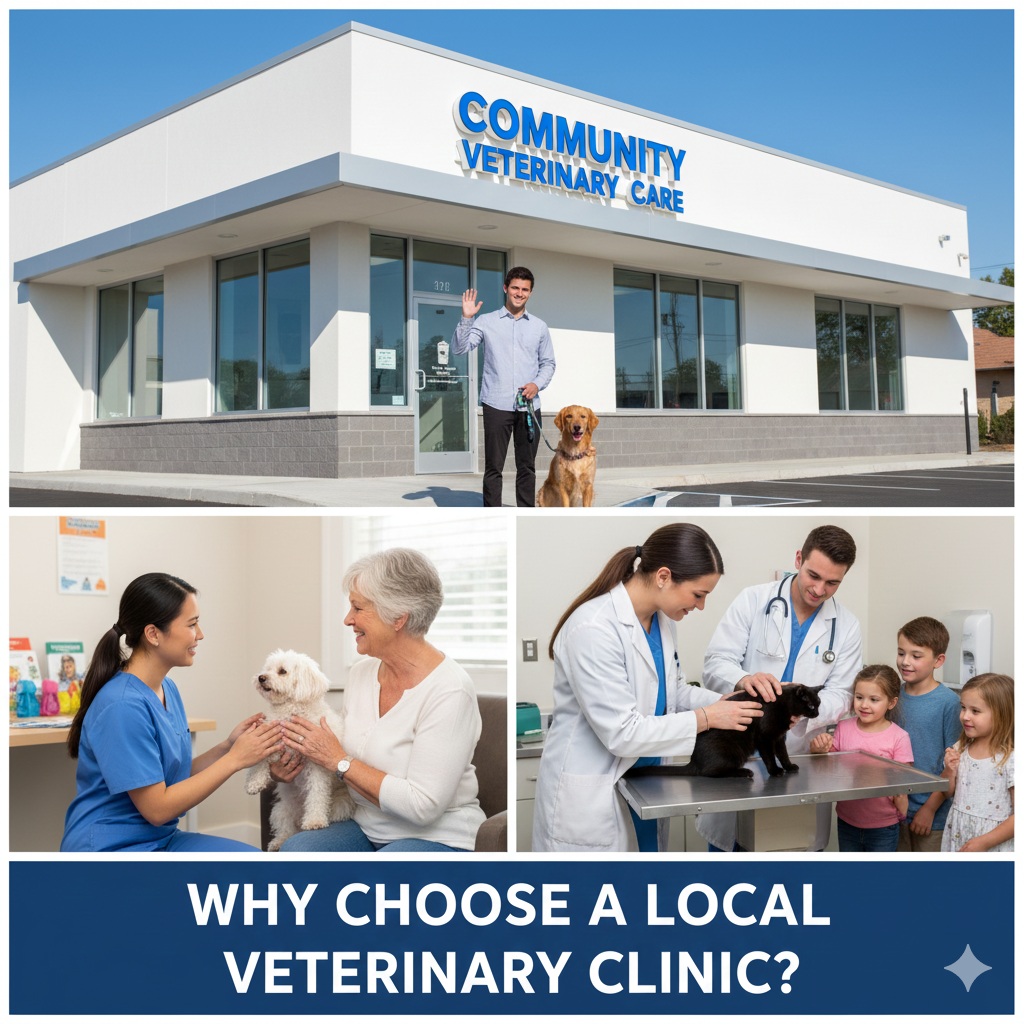
Three years ago, Jennifer’s cat Mittens developed a sudden fever on a Friday evening. Living in Brampton, Jennifer faced a choice that many pet owners encounter: drive forty minutes to an emergency specialty hospital or try to find local care. She called several clinics before finding one still open, rushed Mittens in, and within an hour had a diagnosis, treatment plan, and medication in hand. The veterinarian who treated Mittens became her regular vet, and that emergency visit transformed into an ongoing relationship that’s made all the difference in her cat’s health journey.
This scenario plays out constantly in communities across Ontario. When searching for a “vet near me” or typing “animal clinic near me” into a phone at midnight, pet owners discover that proximity matters far more than they might have realized. But the benefits of choosing a local veterinary clinic extend well beyond just driving distance. Let’s explore why keeping pet care close to home often represents the smartest choice families can make for their animals.
The Familiarity Factor: When Your Vet Knows Your Pet
There’s something powerful about walking into a clinic where staff members greet your dog by name. Where the veterinarian remembers that your cat hates having her ears examined and takes extra time to make it less stressful. Where the records show not just medical history but also behavioral quirks, medication reactions, and that time your Labrador ate an entire loaf of bread.
This familiarity develops naturally when you use the same local clinic consistently. At a Brampton animal hospital you visit regularly, the team learns your pet’s baseline health status. They know what’s normal for your individual animal, which makes spotting abnormalities much easier. When Dr. Martinez examined Charlie, a regular patient at our clinic on Lacoste Blvd, she immediately noticed he seemed less energetic than usual. His owner hadn’t picked up on it, but Dr. Martinez had seen Charlie during his last three wellness visits and recognized the subtle change. That observation led to blood work revealing early thyroid disease.
Compare this to visiting a different clinic each time or relying on walk-in emergency facilities where nobody knows your pet’s history. Every visit starts from scratch. Veterinarians make the best decisions they can based on what they see in that moment, but they lack the context that comes from watching an animal over months or years. They don’t know if the heart murmur they’re hearing is new or something documented in previous exams. They can’t compare today’s energy level to the enthusiastic dog who bounded through the door six months ago.
Accessibility: Being There When You Need It Most
Driving across town takes on a whole new meaning when you’re rushing a sick pet to the veterinarian. Every minute spent in traffic is another minute your animal is suffering, another moment of anxiety building in your chest. Local access transforms veterinary emergencies from major logistical challenges into manageable situations.
The value of a nearby vet clinic became crystal clear to David last summer when his senior dog, Bailey, collapsed during their evening walk. Living just minutes from our location at 117, 50 Lacoste Blvd, he carried Bailey to his car and arrived at our doors within five minutes. The quick response time mattered enormously. We stabilized Bailey, ran diagnostic tests through our in-house diagnostics setup, and determined she had experienced a severe allergic reaction. Had David faced a forty-minute drive to a distant facility, the outcome might have been very different.
But accessibility isn’t just about emergencies. It’s about convenience for routine care too. When your vet clinic Brampton is ten minutes away instead of forty-five, you’re more likely to keep up with preventive appointments. You can stop by after work without massive schedule disruptions. If you forget to pick up a prescription refill, swinging by the clinic doesn’t consume your entire afternoon. These small conveniences add up to better overall care because they remove barriers that might otherwise cause people to delay or skip necessary veterinary visits.
The extended hours at many local clinics also improve accessibility. For instance, being open until 9 PM on Mondays and 10 PM on Fridays through Sundays means working families can bring pets in during evening hours that fit their schedules. This flexibility matters when both adults in a household work traditional business hours. Knowing you can reach your vet in Brampton after leaving the office removes the need to take time off work for routine appointments.
Building Trust Through Consistency
Trust develops over time and through repeated positive interactions. The first time you visit any veterinary clinic, you’re essentially trusting strangers with your beloved companion. You don’t know their medical philosophy, how they communicate, whether they’ll push unnecessary treatments, or if they truly care about animals beyond just processing appointments.
Regular visits to the same pet clinic near me change this dynamic completely. You learn how your veterinarian approaches different situations. You discover they’ll tell you when something can wait or when immediate action is necessary. You observe how staff members handle anxious animals and whether they take time to answer questions thoroughly.
Maria’s experience illustrates this perfectly. When she first brought her rescue dog to Lacoste Animal Hospital Brampton, the dog was terrified of everything, including veterinary staff. Over multiple visits for wellness and preventive care, the team worked patiently to build the dog’s confidence. They kept treats on hand specifically for this patient. They allowed extra time for appointments. They let the dog approach them rather than forcing interactions. Two years later, that same dog walks into the clinic wagging her tail. That transformation happened because of consistency—same place, same people, same patient approach visit after visit.
Trust also develops from seeing good outcomes over time. When the treatment your veterinarian recommended for your cat’s urinary issues actually resolved the problem, you gain confidence in their judgment. When they said your dog’s limp didn’t need surgery and rest would help, and they were right, you learn to trust their conservative approach. These accumulated experiences build the kind of trust that can’t develop from one-off visits to various clinics.
Cost Considerations: Affordable Doesn’t Mean Cheap
When people search for an “affordable vet clinic,” they’re often worried about veterinary costs spiraling out of control. This concern is legitimate—emergency veterinary care can be expensive, and even routine care adds up when you have multiple pets. However, understanding what “affordable” means in veterinary medicine reveals why local clinics often provide the best value.
An affordable vet clinic doesn’t necessarily mean the lowest price per visit. Instead, it means receiving appropriate care without unnecessary charges, having transparent communication about costs, and accessing services that prevent expensive problems later. Local veterinary clinics often excel in these areas because they build relationships with their communities and depend on long-term client loyalty rather than one-time emergency visits.
Consider preventive care costs versus emergency treatment expenses. Regular wellness exams might cost a few hundred dollars per year, but they catch problems early when treatment is simpler and less expensive. The senior cat whose kidney disease was discovered during routine blood work required dietary changes and monitoring—manageable costs over time. If that same disease had progressed undetected until the cat was critically ill, the emergency treatment, hospitalization, and intensive care could have cost thousands of dollars.
Local clinics also tend to discuss costs upfront and work with families to find solutions. When Tom’s dog needed surgery to remove a tumor, our team provided a detailed estimate, discussed which elements were essential versus optional, and helped Tom make informed decisions based on both medical necessity and his financial situation. This kind of transparent communication happens more naturally in ongoing relationships than in one-time interactions at facilities where nobody knows you.
The availability of in-house medical imaging and diagnostic capabilities at local clinics also affects overall costs. When radiographs or blood work can be done on-site rather than requiring referrals to specialty facilities, you save both money and time. The convenience of getting answers during a single visit often means fewer total appointments needed to reach a diagnosis.
Comprehensive Care Under One Roof
Modern veterinary clinics provide far more services than they did twenty years ago. What once required visits to multiple specialists can now often be handled at a well-equipped local animal clinic. This consolidation of services makes pet healthcare significantly more manageable for owners.
A comprehensive vet clinic Brampton offers everything from routine wellness care to surgical procedures, diagnostic imaging, laboratory testing, and emergency services. Having all these capabilities in one location means your pet’s entire medical team operates from the same facility, shares the same records, and coordinates care seamlessly.
Rachel’s experience with her dog’s health journey demonstrates this advantage perfectly. Over the course of eighteen months, her dog needed regular monitoring for a chronic condition, developed an ear infection requiring treatment, had dental cleaning performed, and eventually required surgery for a growth that developed on his side. All of this happened at the same clinic. Each veterinarian who saw the dog had access to complete records. The surgeon knew about the chronic condition and adjusted anesthesia protocols accordingly. The technicians who performed dental cleaning recognized the dog from previous visits and knew how to keep him calm. This continuity of care improved outcomes and made the process far less stressful for both dog and owner.
Compare this to juggling appointments at multiple facilities—a general practice clinic for wellness care, a specialist for the chronic condition, a dental clinic for teeth cleaning, and a surgical center for the growth removal. Coordinating records, explaining medical history repeatedly, and ensuring each provider knows what others are doing becomes a significant burden. Local comprehensive clinics eliminate this complexity.
Community Connection and Accountability
Local businesses exist within their communities in ways that distant or corporate entities don’t. The veterinarians and staff at your neighborhood animal clinic live in the same area you do. They see clients at grocery stores and parks. They have reputations to maintain not just professionally but personally within their community. This creates a level of accountability that benefits pet owners.
A Lacoste clinic serving the Brampton community for years develops deep roots. Staff members might recognize clients from other contexts—perhaps your children attend the same school as theirs, or you volunteer at the same organizations. These personal connections don’t change medical care directly, but they do create an environment where staff are invested in more than just processing appointments. They care about outcomes because they’ll encounter you again, possibly in non-veterinary settings.
Community involvement often characterizes established local clinics. They might sponsor local pet events, participate in community fundraisers, or provide educational resources to schools. This investment in the community creates a reciprocal relationship—the clinic supports the community, and the community supports the clinic. Pet owners benefit from being part of this reciprocal relationship rather than being anonymous customers at a distant corporate chain.
Word-of-mouth recommendations also work differently for local clinics. When your neighbor tells you about the excellent care their cat received at a nearby animal hospital, that recommendation carries weight because you know the person making it and trust their judgment. Online reviews matter, but personal recommendations from people within your own community provide a different kind of assurance about quality and trustworthiness.
Continuity of Care Through Life Stages
Pets move through distinct life stages, each bringing different healthcare needs. Puppies and kittens need frequent visits for vaccines and preventive care. Young adults require routine wellness monitoring and occasional sick visits. Middle-aged pets might develop chronic conditions needing ongoing management. Senior animals face age-related health challenges that require careful attention and often difficult end-of-life decisions.
Having the same veterinary team throughout these life stages provides invaluable continuity. The veterinarian who gave your puppy her first vaccines, who spayed her at six months, who treated her ear infections in her adolescent years, and who now manages her arthritis in her senior years knows that dog’s complete history in a way that transcends written records. This deep knowledge informs every decision made about her care.
The transition from middle age to senior status particularly benefits from continuity of care. Many age-related changes happen gradually. A veterinarian who examines your dog every six months will notice subtle declines in mobility, small changes in heart sounds, or slight weight loss that might not be apparent in isolated examinations. These early observations often lead to interventions that improve quality of life and extend healthy years.
End-of-life care represents perhaps the most emotionally challenging aspect of pet ownership. When that time comes, having a veterinary team who has known your pet throughout their life makes an incredibly difficult situation slightly more bearable. They share your grief because they’ve known your companion too. The pet euthanasia discussion happens in the context of a long relationship, with veterinarians who understand what your pet has meant to you and can provide compassionate guidance based on deep familiarity with both pet and owner.
Practical Benefits Pet Owners Notice Daily
Beyond the major philosophical reasons to choose local veterinary care, countless small practical benefits make daily pet ownership easier. These conveniences might seem minor individually, but collectively they significantly improve the pet ownership experience.
Pick up prescription refills on your way home from work instead of making a special trip across town. Stop by to get your pet’s nails trimmed without scheduling a full appointment. Call the clinic about a minor concern and get advice from staff who know your pet and can determine whether an appointment is necessary. These simple interactions happen naturally with a nearby clinic but become challenging when veterinary care requires significant travel.
Medical records management also becomes simpler with a single local clinic. Instead of maintaining files from multiple facilities and remembering to transfer records when switching providers, everything exists in one place. When you need documentation for boarding facilities, pet insurance claims, or moving to a new location, one call to your regular clinic handles it.
Emergency preparedness improves when you have an established relationship with a local clinic. If something happens to your pet while you’re traveling and someone else needs to seek veterinary care, they can contact your regular clinic to get medical history and current medications. Having centralized records and a veterinary team familiar with your pet can prove crucial in emergency situations.
Questions Pet Owners Should Consider
-
What services does your local clinic provide?
Not all veterinary clinics offer the same services. Some focus primarily on wellness care and refer surgical cases elsewhere. Others provide comprehensive services including surgery, advanced diagnostics, and emergency care. Understanding what your local clinic offers helps you determine if it meets your needs or if you’ll need to establish relationships with multiple facilities.
-
What are the clinic’s hours and availability?
Extended hours matter significantly for working families. A clinic open only during traditional business hours might be difficult to access, even if it’s geographically close. Many modern clinics, including those in Brampton, now offer evening and weekend hours specifically to improve accessibility for working pet owners.
-
How does the clinic handle after-hours emergencies?
Even clinics with extended hours eventually close. Understanding what happens when your pet needs care outside operating hours is important. Some clinics provide emergency numbers that reach on-call veterinarians. Others partner with emergency facilities and can transfer records seamlessly. Still others might simply refer you to the nearest 24-hour emergency hospital.
-
What is the clinic’s approach to preventive care?
Different clinics have different philosophies about preventive medicine. Some recommend extensive testing annually. Others take a more conservative approach. Understanding your clinic’s perspective helps ensure it aligns with your own preferences regarding pet healthcare.
-
How does the clinic communicate about costs?
Financial transparency varies significantly among veterinary facilities. Clinics that discuss costs upfront, provide written estimates for procedures, and help owners make informed decisions based on both medical need and budget constraints make pet ownership less stressful.
Making the Choice: Finding Your Local Veterinary Partner
Selecting a veterinary clinic represents one of the most important decisions pet owners make. This choice affects not just emergency care but routine wellness visits, chronic disease management, and ultimately end-of-life care. Taking time to find the right fit pays dividends throughout your pet’s lifetime.
Start by identifying clinics within a reasonable distance from your home. In Brampton, this might mean looking at facilities within a five to ten minute drive. Geographic proximity provides the accessibility benefits we’ve discussed, but proximity alone shouldn’t determine your choice.
Visit potential clinics before you actually need services. Many facilities welcome prospective clients to tour their facilities and meet staff members. These visits let you assess cleanliness, observe how staff interact with animals, and get a feel for the overall atmosphere. Does the clinic feel calm and organized or chaotic and stressful? Are staff members friendly and willing to answer questions? Does the facility appear well-maintained and properly equipped?
Schedule an initial wellness visit with your top choice. This low-pressure appointment allows you to experience the clinic’s services firsthand. Pay attention to wait times, how thoroughly the veterinarian examines your pet, whether they explain findings clearly, and how your pet responds to the environment and staff. Trust your instincts—if something feels off during this initial visit, it’s okay to try a different clinic.
Ask questions freely. How does the clinic approach preventive care? What diagnostic capabilities do they have in-house? How do they handle referrals when specialized care is needed? What’s their communication style when medical issues arise? Good veterinary practices welcome questions and provide clear, honest answers.
The Local Advantage in Brampton
Brampton’s pet-owning community has access to numerous veterinary options, but finding a clinic that combines proximity with comprehensive services and compassionate care requires some research. A clinic located at 50 Lacoste Blvd, for instance, serves families throughout the area with extended hours and comprehensive services designed to meet diverse pet healthcare needs.
The advantages of choosing a Lacoste medical clinic or similar local facility compound over time. Each positive interaction builds trust. Each successful treatment outcome strengthens the veterinarian-client relationship. Each emergency handled efficiently reinforces why you made the right choice in selecting a nearby provider.
When residents search for a “pet clinic near me” or investigate Lacoste Brampton veterinary options, they’re doing more than just finding a service provider. They’re beginning a relationship that might span a decade or more, through puppyhood or kittenhood into senior years. This relationship becomes part of your pet ownership story—the team that helped you navigate challenges, celebrated healthy years, and provided support during difficult times.
Final Thoughts: Proximity Creates Possibility
The question “why choose a local veterinary clinic” has a simple answer that becomes more profound the longer you think about it: proximity creates possibility. The possibility of getting care quickly in emergencies. The possibility of regular wellness visits because they’re convenient. The possibility of developing relationships with veterinary staff who know your pets by name. The possibility of comprehensive, coordinated care that tracks your animal’s health across their entire lifetime.
Distance creates barriers—to routine care, to emergency treatment, to building relationships, to coordinating comprehensive services. Local veterinary clinics remove those barriers, making excellent pet healthcare accessible in ways that distant facilities, no matter how prestigious, cannot match.
For pet owners in Brampton searching for a vet in Brampton who can provide accessible, comprehensive, compassionate care, local options like the facility at 117, 50 Lacoste Blvd offer everything needed for exceptional pet healthcare. You can reach them at (905) 913-8888 or email petcare@lacosteanimalhospital.ca to discuss your pet’s needs and schedule an appointment.
The next time you’re tempted to drive across town for veterinary care, consider what you might gain by keeping care close to home. The benefits of local veterinary relationships become clear not in a single visit but across months and years of consistent, accessible, personalized care that only a nearby clinic can truly provide.