
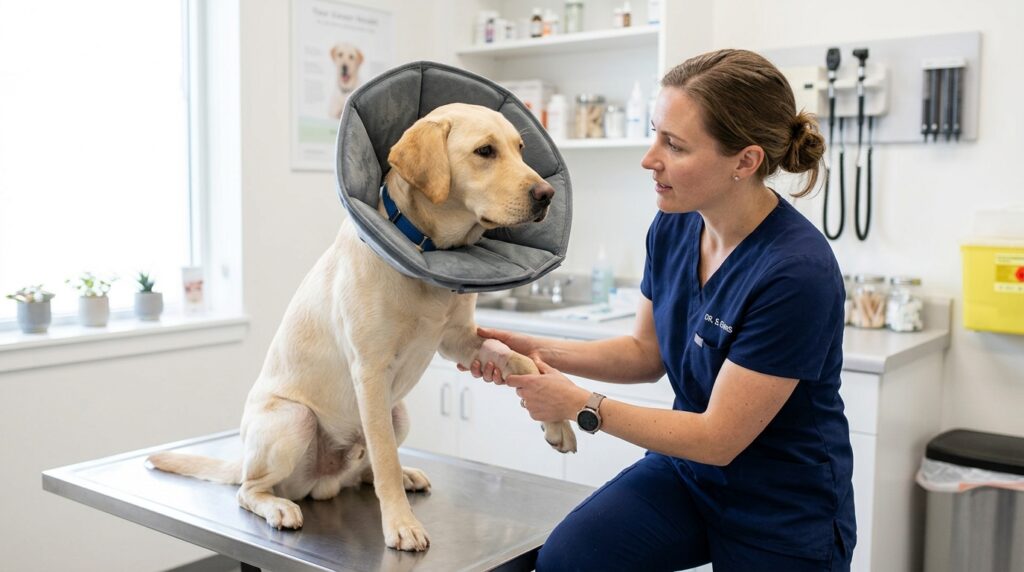
Deciding to spay and neuter your pet is one of the most important health decisions you will make as an owner, and it is also one of the most misunderstood. Between outdated myths, conflicting advice online, and simple nerves about surgery, many pet owners in Brampton search for a vet near me hoping for a clear, honest explanation of what the procedure actually involves. This guide covers the real benefits, the recovery timeline, and what to expect before, during, and after the appointment.
What Does Spay and Neuter Actually Mean?
Spaying refers to the surgical removal of a female pet’s ovaries and uterus, while neutering refers to the removal of a male pet’s testicles. Both procedures are forms of sterilization performed under general anesthesia, and both are among the most common surgeries veterinarians perform on dogs, cats, and even rabbits.
Beyond preventing unplanned litters, spay and neuter surgery changes the hormonal environment inside a pet’s body in ways that reduce the risk of certain diseases and unwanted behaviors later in life. It is a single procedure with effects that last for the rest of the animal’s life.
Why Spay and Neuter Your Pet: Key Benefits
Health Benefits
Spaying a female dog or cat before her first heat cycle significantly lowers the risk of mammary tumors and eliminates the possibility of pyometra, a serious and sometimes life-threatening uterine infection. Neutering male pets removes the risk of testicular cancer entirely and reduces the likelihood of prostate problems later in life.
Behavioral Benefits
Neutered male dogs and cats are generally less likely to roam, mark territory indoors, or display mounting behavior driven by hormones. Spayed females will not go into heat, which removes the cycle of restlessness, vocalization, and attraction of unneutered males that many owners find difficult to manage.
Community and Population Benefits
Every year, thousands of dogs, cats, and rabbits end up in shelters across Ontario due to unplanned litters. Choosing to spay and neuter your own pet is a small decision that, multiplied across a community, has a measurable impact on local pet overpopulation.
When Should You Spay or Neuter Your Pet?
Timing depends on species, breed, and projected adult size. The table below offers general guidance, though your veterinarian will tailor the recommendation to your individual pet.
| Pet Type | General Recommended Age | Notes |
|---|---|---|
| Cats (male and female) | Around 5 months | Supports prevention of unwanted litters and reduces spraying behavior |
| Small-breed dogs (under 20 kg) | 5 to 6 months | Can typically be done before the first heat cycle in females |
| Large-breed dogs (over 20 kg) | 9 to 15 months | Often delayed slightly to support proper joint and growth development |
| Rabbits | 4 to 6 months | Timing varies by sex and individual health, a vet exam confirms readiness |
If your dog or cat falls outside the general age windows, or you are searching for rabbit neutering near me and are not sure where to start, a wellness exam is the best first step to confirm your pet is a good surgical candidate.
What Happens on Surgery Day
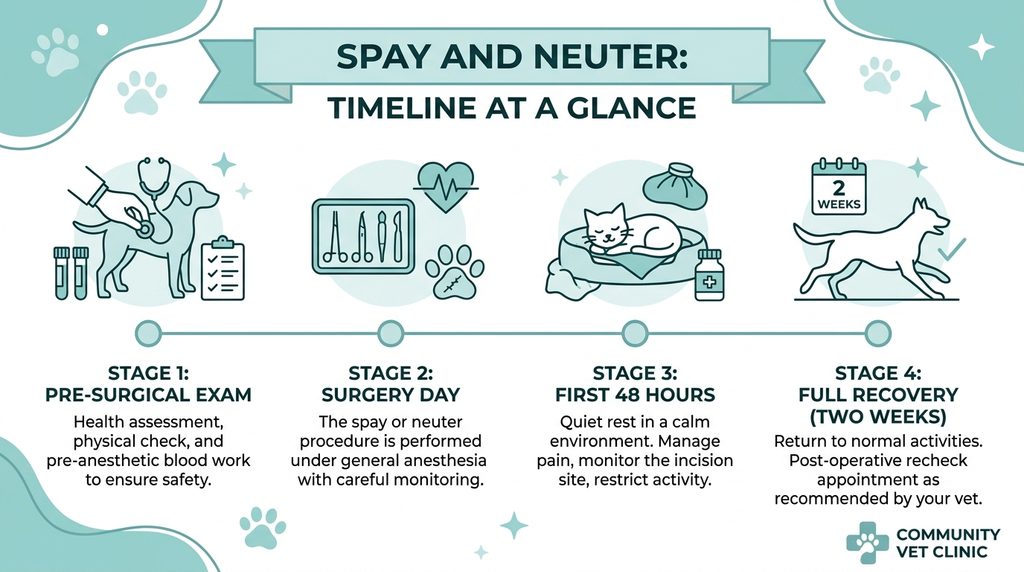
Most spay and neuter procedures are same-day appointments. Your pet arrives in the morning, undergoes a pre-surgical exam, and is placed under general anesthesia for the procedure itself. Pain management is administered before, during, and after surgery to keep your pet as comfortable as possible.
Understanding what the day actually looks like tends to ease a lot of owner anxiety. Our detailed walkthrough of pet surgery at Lacoste Animal Hospital covers the process from drop-off to pickup in more depth, including what our surgical team monitors throughout the procedure.
Pre-Surgical Bloodwork and Safety Checks
Before any anesthetic procedure, a veterinarian will typically recommend bloodwork to confirm your pet’s organs are functioning normally and that there are no hidden health concerns that could complicate anesthesia. This step is especially important for senior pets or those with a history of health issues.
Clinics offering in-house diagnostics can usually run this bloodwork the same day, which means surgery is not delayed waiting on outside lab results.
Recovery Timeline: What to Expect After Spay or Neuter Surgery
Day 1 to 3
Your pet will likely be groggy for the first 24 hours as the anesthesia fully clears their system. Reduced appetite, quiet behavior, and mild grogginess are normal. A cone or recovery collar is usually needed to prevent licking or chewing at the incision site.
Week 1 to 2
Most pets are back to normal energy levels within a few days, but the incision itself typically needs 10 to 14 days to fully heal. Activity should stay limited during this window: no running, jumping, or rough play, even if your pet seems eager to return to their usual routine.
Long-Term Healing
Once the incision has fully closed and any stitches or staples are removed at a recheck visit, most pets show no lasting signs of the procedure at all. Behavioral changes related to hormones, such as reduced roaming or marking, typically become noticeable within a few weeks to a couple of months.
For a broader look at aftercare across different procedures, our guide on common dog surgeries and recovery walks through what a smooth healing process generally looks like.
Case Study: A Smooth Recovery After Neutering
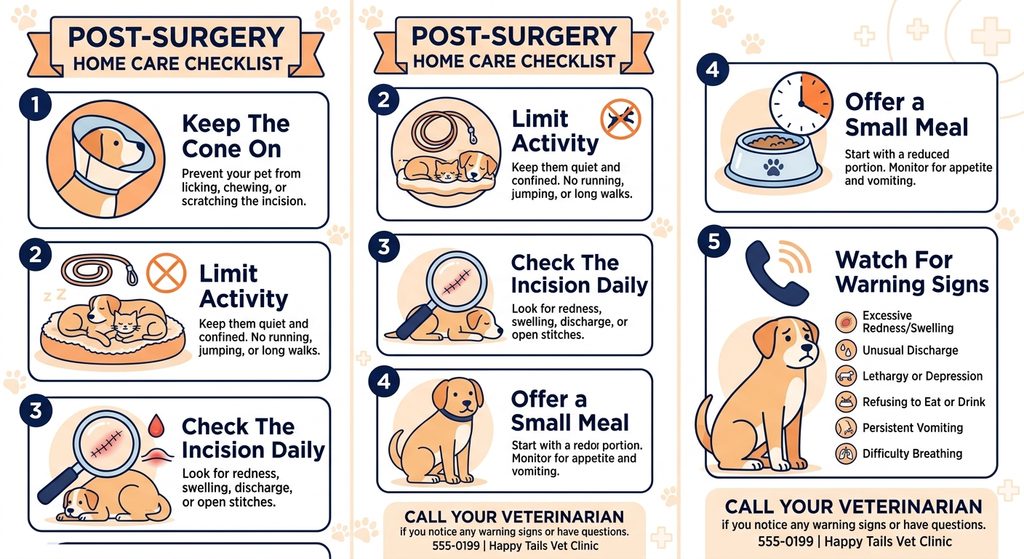
A Brampton family brought in their ten-month-old Labrador Retriever for neutering after their veterinarian confirmed his growth plates had closed enough for the procedure. The family had researched dog neutering near me for weeks beforehand, mostly worried about the anesthesia and how their normally high-energy dog would handle being confined afterward.
The surgery itself was routine, and the dog was awake, alert, and walking on his own within a few hours. The biggest challenge, as is common, was keeping an active young dog calm during the two-week recovery window. With a properly fitted recovery collar and a quiet space set up at home, the family managed the restriction period without complications, and the recheck exam confirmed the incision had healed cleanly.
This case reflects what most straightforward spay and neuter recoveries look like: the surgery itself is usually the easy part, and success often comes down to how well activity is managed during the following two weeks.
Spay vs Neuter: Quick Comparison
| Factor | Spay (Female) | Neuter (Male) |
|---|---|---|
| Organs Removed | Ovaries and uterus | Testicles |
| Typical Procedure Length | Slightly longer, more invasive | Generally shorter and less invasive |
| Recovery Time | Around 10 to 14 days | Around 7 to 10 days |
| Key Health Benefit | Prevents pyometra and reduces mammary tumor risk | Eliminates testicular cancer risk |
| Behavioral Impact | Ends heat cycles | Reduces roaming and marking behavior |
Common Myths About Spaying and Neutering
A few misconceptions still circulate widely and can lead owners to delay a procedure that would otherwise benefit their pet.
- Myth: Pets need to have one litter first. There is no medical benefit to letting a female pet go through a heat cycle or litter before spaying.
- Myth: Spaying or neutering changes a pet’s personality. Core temperament stays the same. What typically changes is hormone-driven behavior, not personality.
- Myth: The surgery is always risky for older pets. Age alone is not a disqualifier. Pre-surgical bloodwork helps determine whether an older pet is a safe candidate.
- Myth: Indoor-only pets do not need it. Indoor cats and dogs still benefit from reduced cancer risk and hormone-driven behaviors, regardless of outdoor access.
When to Contact Your Vet After Surgery
Most recoveries are uneventful, but certain signs mean you should not wait for a scheduled recheck. Contact your veterinarian right away if you notice:
- Swelling, redness, or discharge at the incision site
- The incision opening or stitches coming loose
- Persistent vomiting, lethargy, or refusal to eat beyond the first day
- Difficulty urinating or straining
- Any sign of severe pain that does not improve with prescribed medication
If any of these appear outside of regular hours, emergency and urgent care should not be delayed, since post-surgical complications are far easier to manage when caught early.
Frequently Asked Questions
-
Is spay and neuter surgery safe for my pet?
Yes, spay and neuter procedures are among the most routinely performed surgeries in veterinary medicine, with a very low complication rate. Pre-surgical bloodwork and monitored anesthesia further reduce risk. Your veterinarian will review your pet’s individual health history beforehand to confirm they are a good candidate for the procedure and adjust the plan if needed.
-
How long does recovery take after spaying or neutering?
Most pets return to normal energy within a few days, but the incision itself typically needs 10 to 14 days to fully heal. Activity restriction during this window matters more than most owners expect, since jumping or rough play can strain the incision even if your pet seems to feel fine.
-
Will spaying or neutering change my pet’s behavior?
Core personality does not change, but hormone-driven behaviors often do. Neutered males tend to roam and mark less, while spayed females no longer experience heat cycles. Some pets also become calmer over time as reproductive hormones stop influencing their behavior, though individual results vary by pet.
-
At what age should I spay or neuter my dog or cat?
Cats are generally recommended for sterilization around five months of age. Small-breed dogs are usually ready around five to six months, while large-breed dogs often benefit from waiting until growth plates close, typically between nine and fifteen months. Your veterinarian can confirm the ideal window for your specific pet.
-
Can rabbits be neutered too?
Yes, spaying and neutering rabbits is common and recommended, particularly for females, since unspayed rabbits have a notably high lifetime risk of uterine cancer. Rabbit anesthesia and surgery require specific expertise, so it is worth confirming a clinic’s experience with exotic and small mammal patients before booking.
-
What should I do to prepare my pet for surgery day?
Your veterinary team will provide specific pre-surgery instructions, which often include withholding food after a certain time the night before. Bringing your pet in calm and well-rested helps the process go smoothly. It also helps to prepare a quiet recovery space at home in advance, since your pet will need a calm environment once they return.
A single appointment now can mean fewer health worries and a calmer, more settled companion for years to come.